Introduction to Global Trade
What is Export and Import?
Export
Export — selling goods or services from your country to another country.
Example: A Pune-based gearbox maker sells 100 gearboxes to a machinery firm in Germany — the gearbox maker is the exporter.
Import
Import — buying goods or services into your country from another country.
Example: An Indian factory buys precision bearings from Japan — the Indian factory is the importer.
Why both matter: Exports bring foreign buyers and revenue to local manufacturers. Imports let manufacturers access materials, parts, and technology that may not be available locally or are cheaper/better elsewhere.
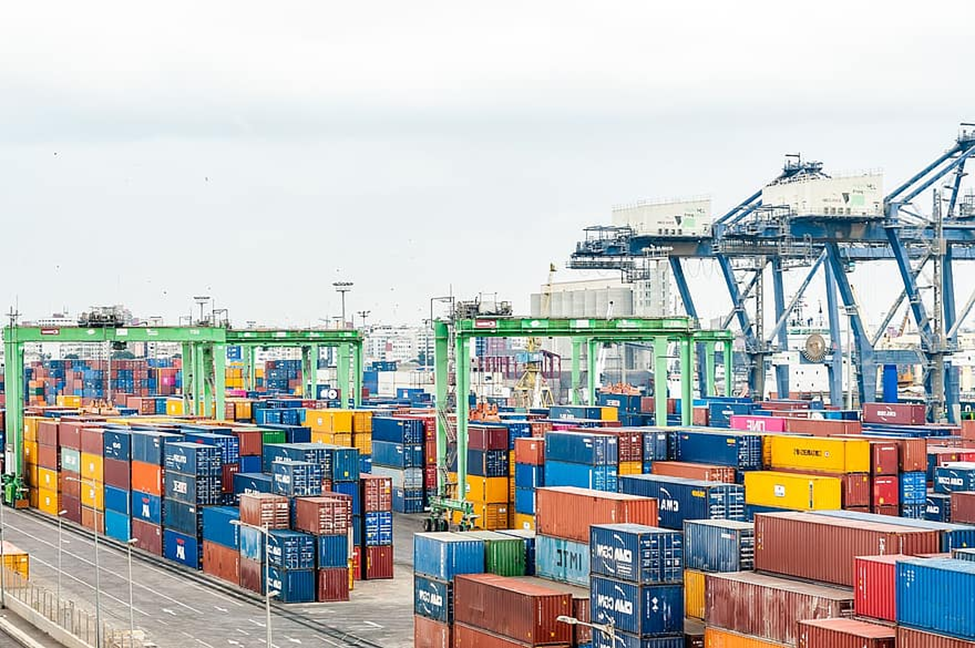
Difference Between Export vs Import vs Domestic Trade
| Aspect | Export | Import | Domestic |
|---|---|---|---|
| Short definition | Selling goods/services to buyers in other countries. | Buying goods/services from other countries into your country. | Selling and buying inside the same country. |
| Typical parties involved | Exporter(seller), foreign buyer, freight forwarder, customs, bank | Importer(buyer), foreign seller, customs broker, shipping line, bank | Seller, buyer, local transporter, local bank |
| Common documents | Commercial invoice, packing list, export declaration/shipping bill, bill of lading/airway bill, certificate of origin, export license (if required). | Proforma invoice, commercial invoice, bill of entry, bill of lading/airway bill, import license (if required), insurance docs. | Invoice, delivery challan, GST/VAT invoice |
| Currency | Foreign currency often used (USD, EUR). Exporter may invoice in foreign or local currency. | Payment to foreign seller in foreign currency; importer manages forex. | Local currency only |
| Customs & regulation | Customs clearance at origin and destination; export controls & compliance (HS codes, quotas). | Customs clearance at destination; duties, import tariffs, product standards & certifications. | Typically minimal customs; subject to local tax/regulation only. |
| Taxation & duties | Exports often exempt from sales tax / eligible for export incentives. | Imports attract customs duty, IGST/VAT and other levies. | Normal sales tax / GST applies |
| Logistics | International shipping (sea/air/land), longer lead times. | International shipping + customs clearance at destination. | Local transport; shorter transit time. |
| Risk types | Currency risk, political risk, non-payment, transit risk, compliance risk. | Quality risk, regulatory risk, customs delays, currency risk. | Lower international risk; credit & delivery risks dominate. |
| Pricing considerations | FOB, CIF, EXW (Incoterms) determine who pays freight/insurance. | Add duties, freight, insurance, inland transport to cost. | Price based on local cost + taxes |
| Timeframe | Longer — days to months depending on route & customs. | Longer — lead time for shipping + clearance. | Short — hours to days |
| Typical examples | Steel exporter sells coils to a mill in Turkey. | Indian factory imports CNC machines from Germany. | Local supplier delivers bolts to a nearby machine shop. |
| When to choose | When you want to expand market beyond domestic demand. | When local supply is insufficient or costly; need advanced tech. | When customer base is local or logistics are simpler. |
Why Global Trade Matters for Engineering Manufacturers?
Engineering manufacturers (machinery, components, tools) benefit strongly from global trade:
Bigger markets = more sales
Example: A CNC toolmaker in Chennai can sell to 10 countries instead of only local factories.
Access to specialized materials and machines
Example: A foundry imports a high-grade alloy from Germany that reduces wear and increases product life.
Competitive pricing & economies of scale
Larger order volumes and diverse suppliers can lower per-unit cost.
Technology & quality upgrades
Export customers require global standards (ISO, CE). Meeting these improves product quality for all customers.
Stronger brand & partnerships
International clients can lead to long-term contracts, technical collaboration, and joint ventures.
Hedging business risk
Selling in several countries spreads risk if domestic demand drops.
Foreign exchange & national growth
Exports earn foreign currency, boosting national reserves and industry investments.
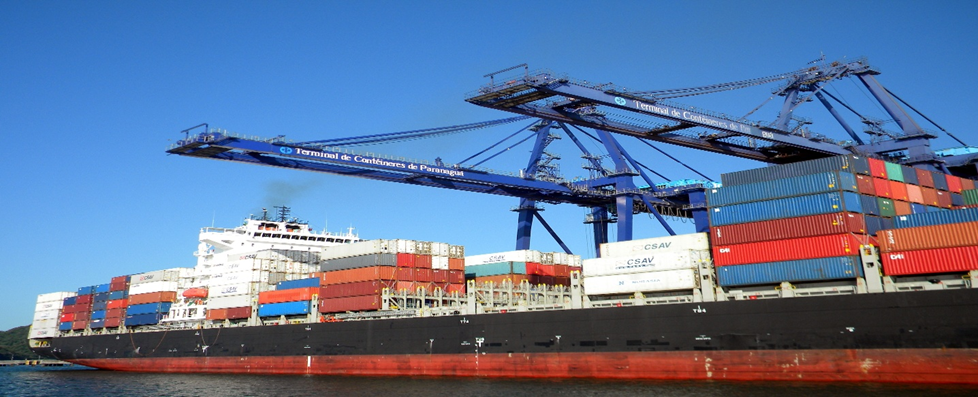
How AI is Transforming Traditional EXIM Systems
AI is not just buzz — it changes how export-import works in practice:
Automated paperwork & classification
AI scans invoices and assigns HS codes automatically, cutting manual errors.
Example: An AI tool reads invoices and suggests HS code 8483 for “bearings” saving time.
Faster customs clearance
Predictive checks reduce random inspections; pre-clearance speeds release.
Smart pricing & demand signals
Machine learning predicts which countries will need your product and at what price.
Logistics optimization
AI predicts the best shipping route and warns of port congestion, avoiding delays.
Fraud detection & compliance monitoring
AI flags suspicious documents, helping avoid penalties.
Payment & credit risk scoring
AI models analyze buyer behavior and suggest safer payment terms (LC, advance).
Customer support & sales automation
Chatbots and CRM automations respond to common buyer queries 24/7.
Business example: An exporter uses AI to automatically prepare export invoices and track container ETA; this reduces lead time by several days and lowers demurrage charges.
Common Challenges in the Export–Import Industry
Challenge → Why it matters → Practical fix
Complex documentation
Why: Multiple documents and changing rules cause delays.
Fix: Maintain a standard document checklist, use an export/import management system (or AI-based doc tool).
Customs delays & inspections
Why: Missing or incorrect documents trigger holds.
Fix: Pre-validate documents, use HS code lookup tools, and hire an experienced customs broker.
Freight and logistic volatility
Why: Rates change with fuel, demand, and port situations.
Fix: Negotiate contracts with carriers (long-term rates), use multi-modal options, and monitor real-time freight data.
Currency fluctuation
Why: Exchange rates affect margins.
Fix: Invoice in stable currency, use forward contracts or FX hedging.
Finding reliable partners
Why: Fake buyers or unreliable suppliers increase risk.
Fix: Use trusted B2B platforms, request references, apply KYC checks.
Payment and credit risk
Why: Non-payment or delayed payment impacts cash flow.
Fix: Use secure methods — Letter of Credit (LC), advance payment, or export credit insurance.
Quality standards & certifications
Why: Non-compliance can block entry to markets.
Fix: Obtain necessary certifications (ISO, CE), set up internal QA systems.
Regulatory & political changes
Why: Sanctions, tariffs, or trade policy shifts can disrupt business.
Fix: Diversify markets, stay updated on trade policy, and maintain compliance resources.
CASE STUDY: How XYZ Engineering Works Transformed Its Export–Import Journey
A Growing Manufacturer Ready for Global Trade
XYZ Engineering Works, a rising engineering manufacturer based in Pune, India, specializes in precision gearboxes, machined shafts, and industrial components. After years of success in domestic markets, the company decided to expand into global trade by targeting buyers in Germany, Singapore, and the Middle East. The team was confident in its product quality, but the export–import world brought new challenges and unexpected hurdles that pushed the company to rethink its entire international strategy.
When a Single Code Stopped an Entire Shipment
The company’s first large export order involved supplying a batch of gearbox housings to a German machinery distributor. Everything seemed smooth until the documentation team accidentally entered the wrong HS Code on the export invoice. When the shipment arrived at the Hamburg port, customs officers immediately detected the mismatch.
The cargo was pulled aside for verification, resulting in multiple days of delay. XYZ Engineering Works had to pay additional storage fees, and the buyer's production line slowed down, creating pressure on the company’s reputation. This moment became a turning point, showing the business how powerful a small documentation error can be in the export–import industry.
When Freight Prices Jumped Overnight
A few weeks later, the company faced another unexpected challenge. While preparing to ship helical gearboxes to Dubai, the global freight market went into sudden volatility. Container rates doubled almost overnight, and finding an available container became a race against time.
XYZ Engineering Works was forced to either accept the increased freight cost or delay the shipment. Both options meant financial loss. They chose to ship on time, absorbing the extra cost to maintain client trust. This experience taught them that international logistics is influenced by seasonal demand, global events, and port activity—factors far beyond their factory walls.
The Hidden Cost of Currency Swings
Another lesson emerged when exporting precision-machined shafts to Singapore. The order was billed in USD—common in international trade—but by the time the payment was made, the USD-INR exchange rate had dropped significantly.
Even though XYZ Engineering Works had produced and delivered flawlessly, the final profit shrank simply due to currency fluctuation. This incident revealed how global trade isn’t just about manufacturing; it also demands smart financial planning and exchange rate monitoring.
An Attractive Buyer That Disappeared Overnight
In the middle of this learning curve, XYZ Engineering Works received an inquiry from an international company requesting a bulk order for planetary gearbox assemblies. The discussions looked promising, and the buyer communicated professionally.
But when XYZ insisted on secure payment terms, such as advance payment or a Letter of Credit, the buyer vanished without explanation. Later, through industry networks, XYZ discovered that many exporters had been approached by similar fraudulent buyers. This incident reinforced the importance of proper buyer verification, due diligence, and safe payment terms before committing to any shipment.
A Shipment Lost in Port Congestion
Yet another challenge appeared when a shipment routed to the Netherlands got stuck in serious port congestion. Although XYZ Engineering Works dispatched the container on time, it became trapped in a backlog of vessels waiting for clearance at Rotterdam.
The delay affected the buyer’s assembly line schedule, and XYZ had to manage the situation through constant communication and updates. This experience proved how essential it is to track global route conditions and plan shipments around peak seasons.
Turning Challenges Into a Stronger Global Strategy
Each of these challenges—documentation errors, freight surges, currency swings, unreliable buyers, and port bottlenecks—reshaped the way XYZ Engineering Works approached the export–import business.
The company invested in better documentation systems, upgraded its logistics planning tools, trained staff in international compliance, and built a stronger verification process for new buyers. Over time, their EXIM operations became smoother, more secure, and more predictable.
A Company Ready for the World
Today, XYZ Engineering Works continues exporting confidently, equipped with hands-on experience, upgraded systems, and a far deeper understanding of the global market. These challenges didn’t just slow them down—they strengthened the company’s foundation and prepared them to compete successfully in the international engineering industry.
Simple Export–Import Flowchart
Step-by-step flow of a typical export–import transaction
Inquiry & Quotation
Order Confirmation (PO)
Contract / Incoterms
Production & Quality Check
Packing & Shipping Preparation
(Invoice, Packing List)
Booking with Carrier & Export Customs Clearance
Shipment in Transit (monitor ETA)
Import Customs Clearance at Destination
Delivery to Buyer / Final Payment
After-sales & Warranty Support
Suggested Short FAQ
Common questions related to export–import operations
Q1. What are the mandatory documents required for exporting goods? ▶
The essential export documents include the Commercial Invoice, Packing List, Shipping Bill, Bill of Lading/Airway Bill, Certificate of Origin, Insurance Certificate, and product-specific compliance certificates. Depending on the product and country, additional documents may be required.
Q2. Why is export documentation important? ▶
Export documentation ensures legal compliance, smooth customs clearance, buyer acceptance, proper valuation, tax benefits, and accurate shipment tracking.
Q3. Who prepares export documents? ▶
The exporter prepares core documents, while the Customs Broker (CHA) prepares the Shipping Bill. The freight forwarder issues the BL/AWB.
Q4. How do export documents help in customs clearance? ▶
They provide proof of product origin, value, HS code, shipment weight, and compliance, allowing customs to approve the shipment legally.
Q5. What happens if export documents have mistakes? ▶
Mistakes can lead to customs penalties, shipment delays, higher charges, and refusal by the buyer’s bank in LC transactions.